Gemoligist
MEG ROME RENNIE F.G.A
My Background 1977- 1987
Married in 1975
A great time to take stock
I had always had an interest in the auction scene and bought a few bits and pieces to furnish our new home. However, I could never go past the jewellery counter, and wow, the jewels caught my eye.
Following the birth of twin girls in the early 80s I decided I wanted to change direction what was it about these sparkly things.?
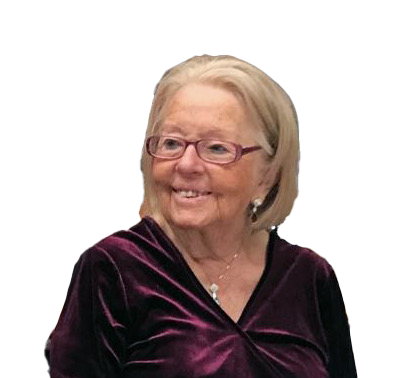
My Story
I phoned Mappin & Web and asked were I could learn about gemstones.
QUICK ANSWER. RIGHT HERE
In Glasgow. At Burmulloch College right here in Glasgow. Not a course you would expect to find in the East End of Glasgow
I enrolled to study to become
A FELLOW OF THE GEMMOLOGICAL ASSOCIATION of Great Britain. This has lead me down many different and exciting roads.
Our First guest lecturer was a man named Alan Hodginkinson. Any West Coast people will have known Alan and his shop in Clarkston.
Alan was a super human being and an outstanding gemologist,who was happy to share his passion knowledge and enthusiasm about gems. Alan sold his Clarkston shop in the 80s and was then in great demand lecturing and studying gemstones world wide.
1987
Later I studied to become a Registered valuer with the National Jewellers Association. I became one of the first REGISTERED VALUERS in 1987
I Valued for 25 years attended conferences and continued my Gem education. Around the 2000s I decided to go it alone and buy and sell. I now buy from the public have 2 websites and sell different categories on each site.
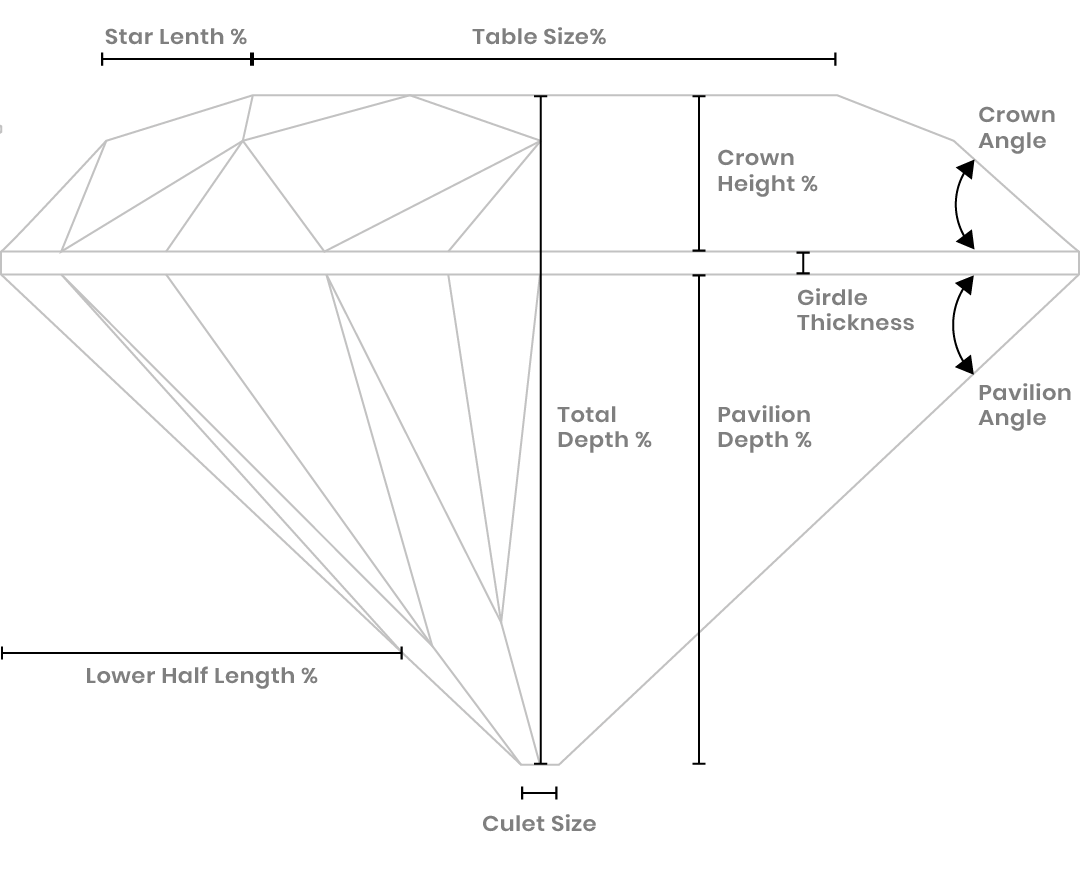
Diamond Anatomy & Cut Quality
Understanding the 4 C’s of Diamonds Shopping
Before making a serious investment it is a good idea to fully understand the item you are about to purchase. Buying a diamond should be no exception yet how many people now regret rushing into a purchase before they fully understand the commodity?
Throughout the year, my consultants will attend local wedding shows where you can view the diamonds featured on the site. My trained consultants will arrange appointments in the comfort of your own home or office. Contact us for further details.
Buying a diamond fromMeg Rome F.G.A Purebrilliant Diamonds assures you of the best price per carat. All diamonds come with a Laboratory Certificate from leading world gem labs and pre-owned diamond rings backed by IRV valuers appraisal and valuations and can be mounted in a setting of your choice. All settings for new diamonds have an PB Hallmark from the Edinburgh Assay Office thus assuring you of complete traceability. Cutting out many middlemen makes your diamond not only a precious accessory but a very worthwhile investment. All diamonds are sourced from known sources with the Kimberly process assurance and help to sustain the local population by Fair Trade Buying.
How about a small personal inscription? Have your diamond laser inscribed with your own special message. Or choose a small text which means something special like My Valentine, Be Mine, I Love You, Forever, With Love, or just a heart motif.
Certificated diamonds can have the certificate number inscribed on the diamond girdle for added security.
Clarity
Diamonds are graded according to the inclusions present within the stone. The absence of inclusions allows light to be internally reflected which will give a diamond a brighter appearance. The highest grade is IF Internally Flawless grading down to I Included grades


Flawless (FL) No inclusions and no blemishes visible under 10x magnification
Internally Flawless (IF) No inclusions visible under 10x magnification
Very, Very Slightly Included (VVS1 and VVS2) Inclusions so slight they are difficult for a skilled grader to see under 10x magnification
Very Slightly Included (VS1 and VS2) Inclusions are observed with effort under 10x magnification, but can be characterized as minor
Slightly Included (SI1 and SI2) Inclusions are noticeable under 10x magnification
Included (I1, I2, and I3) Inclusions are obvious under 10x magnification which may affect transparency and brilliance
Cut
Cut according to certain dimensions to allow total reflection of all the light entering the stone to be returned through the table facet, thus giving maximum sparkle. The cut of a stone is different from the style of the cut. The styles are another factor to consider.


Colour
Absence of colour rates the highest. Most diamonds contain traces of colour. The differences in colour grades are very minute and are graded under laboratory conditions. The highest colour is D grading down to K L M. Fancy colours also exist which command higher prices.


Carat (Weight/Size)
A carat is .20 of a gram and to understand the weight factor we divide a carat into 100 points so a ½ carat stone would be known as a 50-pointer. The size of a diamond is important but bigger is not necessarily better. The other factors have to be taken into account.


What makes a diamond Sparkle?
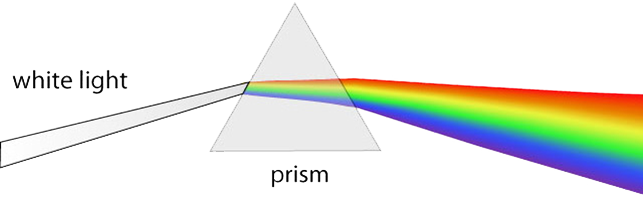
A diamond sparkles due to the interaction of light with its precisely cut facets, which cause light to be reflected and refracted, creating brilliance and fire. Key factors include the diamond’s brilliance (white light reflection), fire (rainbow-colored light dispersion), and scintillation (the flash of light seen when the diamond, light, or viewer moves). The quality of the diamond’s cut is crucial for maximizing these effects, as the angles and proportions of its facets dictate how light interacts with the stone
Some Historical Facts
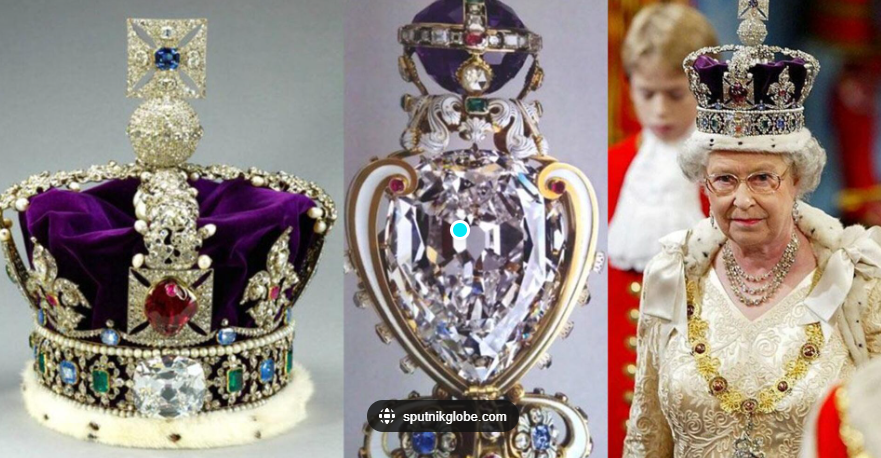
The Cullinan Diamond
The Scottish Gemological Conference
Over the years we get together to study exchange ideas and LEARN
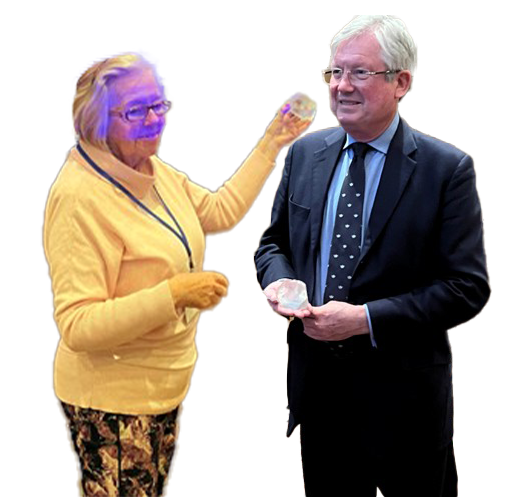
A frequent visitor to our Scottish conference was Mark Cullinan Great great X 2 grandson Of Cullinan
Scottish River Pearls
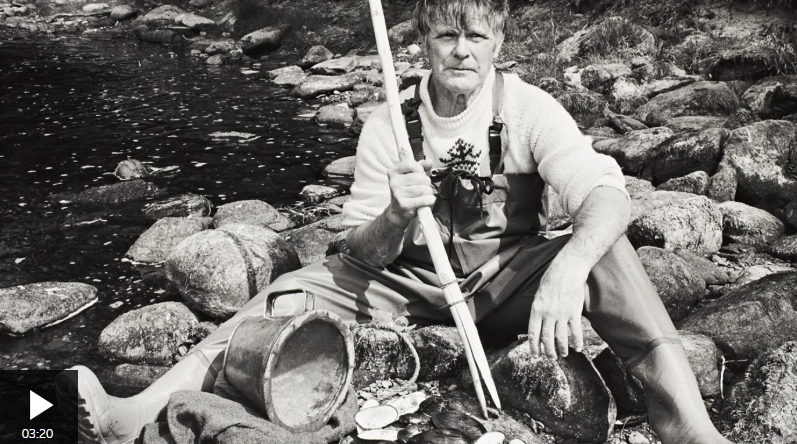
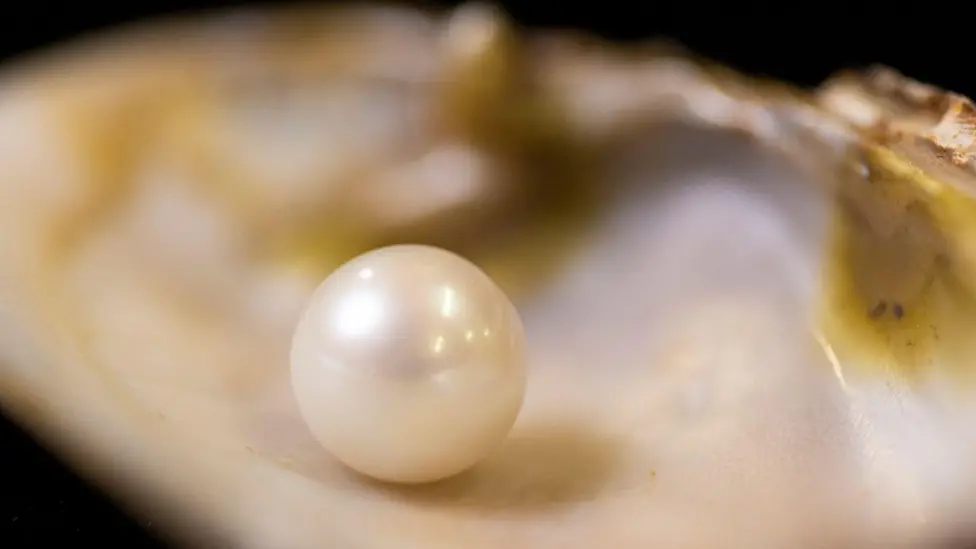
The largest Scottish river pearl found in living history, the Abernethy Pearl is a remarkably perfect example, found in 1967 by Scotland’s last pearl fisherman, William (Bill) Abernethy.
William (Bill) Abernethy,
Famously known as Scotland’s last pearl fisherman, seems to have understood the danger of the demand for these rare specimens intuitively. In 1967 he found the now famous Abernethy Pearl, second only in fame to the Kellie Pearl, and though he never disclosed where exactly he found it (likely to discourage fortune hunters trying their own luck), it was purportedly wrapped in a dock leaf to keep it from scratching, before he took it to jewellers Cairncross of Perth, where it remained until recently
It has been donated to the Edinburgh museum by retired jeweller and NMS volunteer Alistir Wood Tait who bought the pearl last year at auction for almost £94,000.
Measuring 11mm in diameter and weighing 43.6 grains, the perfectly round freshwater pearl is the largest found in Scotland since the 1621 discovery of the Kellie Pearl, which is set in the Scottish Crown.
Mr Wood Tait said it was the finest pearl he had seen in his 40-year career.
He said: “Unlike so many freshwater pearls, it’s perfectly spherical, and when the light hits it, it has a wonderful pinkish iridescence.
“I’m delighted that it will remain in Scotland and is on permanent display in the National Museum, where as many people as possible will have the chance to see it.” https://www.youtube.com/shorts/d5i8vz9wihU
What can go wrong
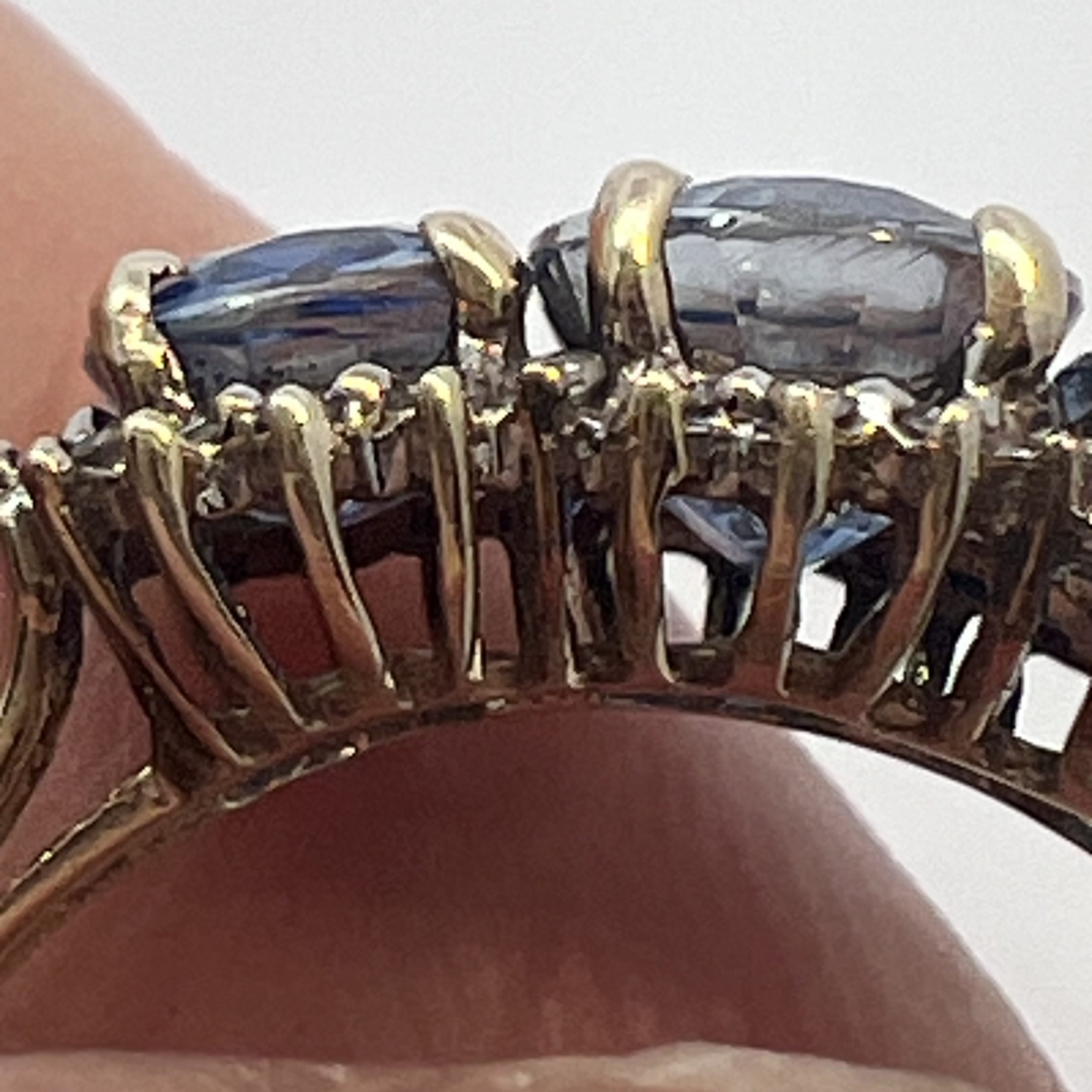
,,Unfortunately, I have sometimes had to bring bad news to clients, especially if they have lived with a gem they bought 20 years ago and then decide to sell, only to find a similar treated gemstone posing as their beautiful ruby bought for a ruby anniversary.
And what can go wrong? The triplet stone is quite interesting in itself
Three pieces of glass, gem material and a layer of colour
There are so many fakes on the market but as long as you know what you are buying. Especially when buying abroad
Further Investigation